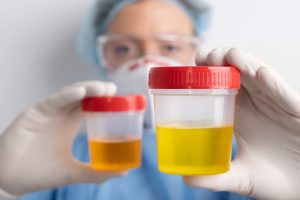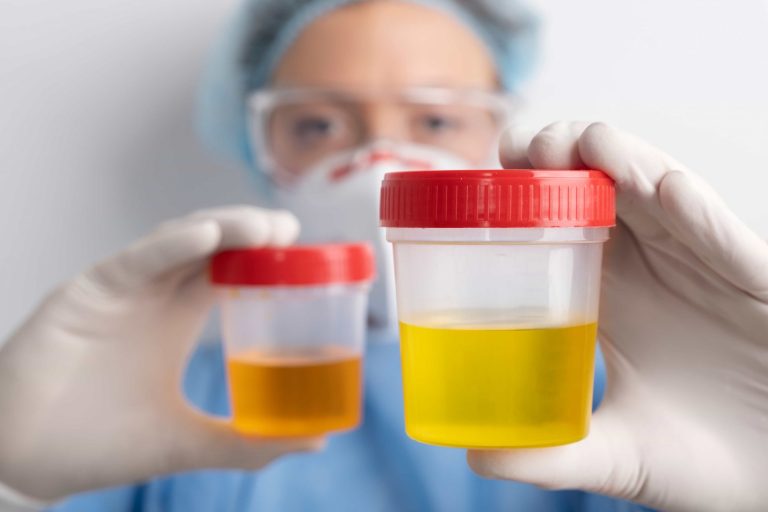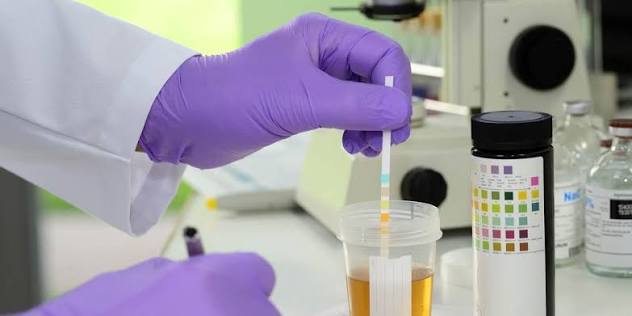
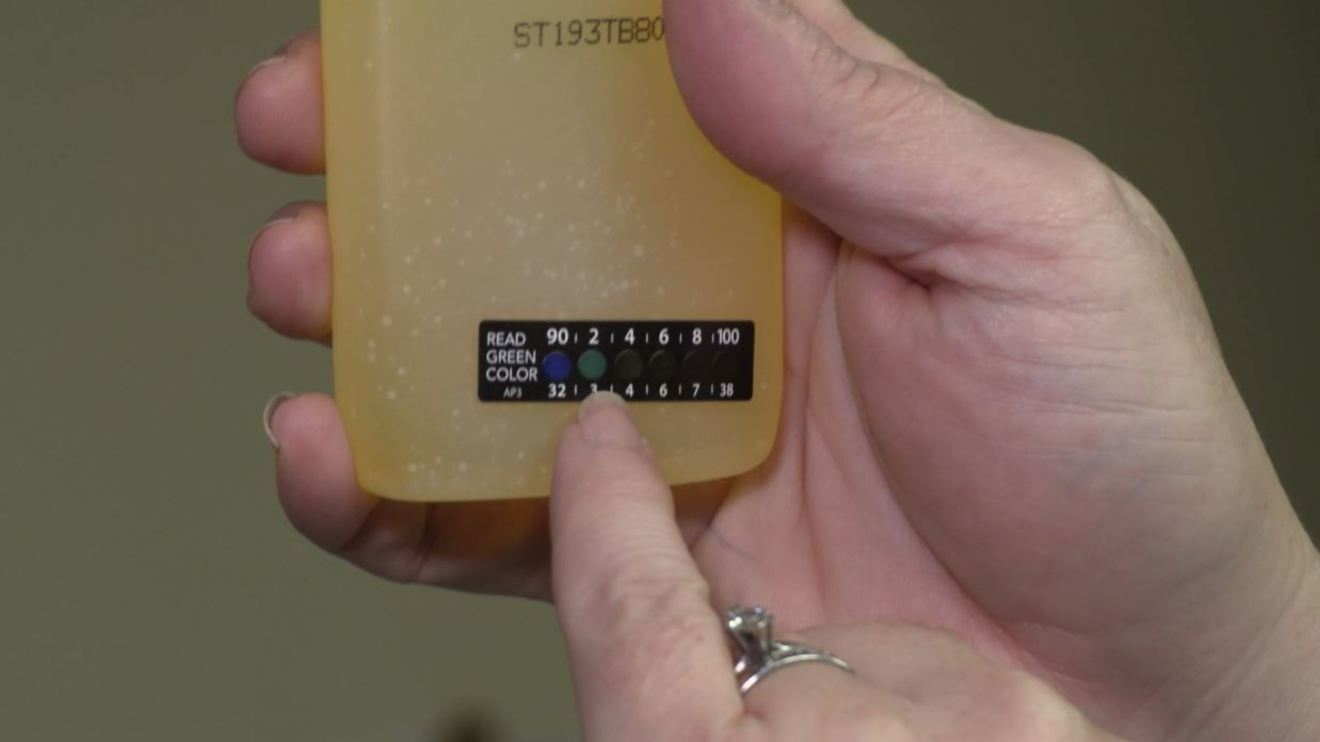
Modern urine validation tests not only determine whether the substance is indeed laced with the drug under scrutiny but also whether it actually acts as a real urine sample using parameters such as creatinine, pH, specific gravity, temperature, and biomarkers. The need for such validation lies in the fact that there are many types of artificial samples that can mimic natural urine enough to fool traditional tests.
A modern synthetic urine kit should thus be seen as a lab test rather than just a convincing-looking liquid. As it was shown by recent studies, traditional methods of verification can overlook complex imitations, while more advanced techniques use biological traits for analysis.
Why Basic Screening Misses
Specimen validity testing is based on physical and chemical characteristics. The presence of creatinine suggests a naturally occurring waste substance, specific gravity is an indicator of concentration, and pH levels are used to detect any anomalies.
Synthetic urine samples can include creatinine, urea, buffers, and other substances in acceptable concentrations. A case report from 2026 showed that 7 out of synthetic specimens passed the regular test.
What Dehydration Changes
Dehydration changes genuine urine because the kidneys conserve water, increasing concentration. Specific gravity can rise, while other measurements vary with fluid intake, medications, health, and timing.
Concentrated human urine is not automatically suspicious. A laboratory should interpret measurements together rather than treating one unusual number as proof of substitution. The 2026 study also documented an authentic specimen initially judged inauthentic because of unusually low creatinine.
Which Markers Matter Most
Modern screening examines markers that are difficult for simulated urine to reproduce as a natural biological pattern. Urea, uric acid, and enzymes such as GGT and amylase can provide additional signals.
A 2026 Journal of Analytical Toxicology study found GGT and amylase useful among seven synthetic samples examined in casework, while emphasizing that no single validity measure is sufficient.
| Marker | What it indicates | Validation value |
| Temperature | Collection freshness | Supports collection checks |
| Creatinine | Endogenous waste | Helps assess dilution |
| Specific gravity | Concentration | Adds chemical context |
| pH | Acid-base status | Flags abnormalities |
| Urea/uric acid | Metabolic activity | Adds biological context |
| GGT/amylase | Endogenous enzymes | Emerging authenticity markers |
How Labs Spot Substitutes
Laboratories can combine collection checks with chemistry and targeted testing. Suspicious specimens may receive additional evaluation for osmolality, biomarkers, oxidants, or broader molecular profiles.
Earlier research demonstrates why this evolution matters: eight commercial synthetic products passed standard validity testing in one Army-focused study, while specialized testing detected the substitutes. Newer studies evaluate automated assays and LC-MS/MS approaches examining multiple compounds.
What Current Evidence Shows
| Evidence | Key finding |
| 2022 multi-lab study | Traditional SVT missed selected synthetic urines |
| 2024 analytical study | Synthetic samples can resemble human urine chemically |
| 2025 assay study | Marker-based methods can distinguish substitutes |
| 2026 casework study | Seven synthetic samples passed routine SVT |
For laboratories, validation is becoming layered. For readers researching a Synthetic Urine Kit, product claims about “passing” should not be confused with independent evidence that a sample is indistinguishable from authentic urine.
FAQs
Can synthetic urine pass standard validity testing?
Some commercial samples have passed conventional checks in published studies, but newer biomarker-based methods can identify characteristics absent from simulated specimens.
What does specimen validity testing measure?
It commonly evaluates creatinine, pH, specific gravity, temperature, and selected adulterants, with additional tests used when a specimen appears suspicious.
Does dehydration make urine invalid?
Not automatically. Dehydration can concentrate genuine urine, so laboratories should interpret specific gravity and related measurements alongside collection and health context.
Why are biomarkers being added?
Synthetic formulations can reproduce basic chemical properties. Endogenous compounds and enzymes provide additional biological signals that are harder to mimic as a coherent natural profile.
Is every unusual urine result evidence of substitution?
No. Medical conditions and normal physiological variation can affect urine measurements. Published 2026 casework shows why multiple findings should be considered together.
Evidence-Based Screening
The direction of specimen validation is clear: visual similarity and basic chemistry are no longer the whole story. Laboratories are combining established measurements with biological markers and advanced analytical methods.
That shift improves distinction between naturally variable human specimens and manufactured substitutes. It also reduces the risk of treating one abnormal measurement as definitive, because real urine changes with hydration, physiology, collection conditions, and health. Context remains essential.