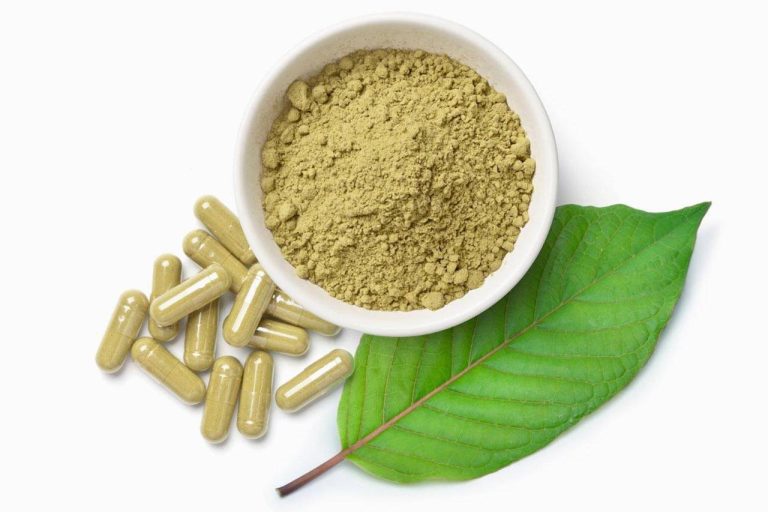
Two bags of kratom can look identical on the shelf and still be very different products. One might come with a full lab report you can check in seconds. The other might rely on a “100% Pure” sticker and nothing else. Searching for stores with kratom near me will turn up plenty of choices, and the gap between them comes down to testing. A few quick checks will tell you which kind of seller you’re dealing with.
Lab Reports Separate Proof From Promises
The most important document is the Certificate of Analysis (COA), a lab report showing what’s actually in a batch. Sellers tend to fall into three groups:
| Seller Type | What You’ll See |
| Strong | Full COAs posted on each product page |
| Basic | Reports sent only if you email and ask |
| Weak | “Lab tested” claims with no report at all |
Does The Batch Number Match The Report?
Check this first. Every bag should carry a batch number, and the COA should show the same one. Some sellers upload a single test from years ago and use it for everything they stock. The lab date should be no more than 6 to 12 months old. Good sellers print a QR code on the pack that opens the exact report for that batch.
Independent Labs Carry More Weight Than In-House Tests
A seller testing its own product has an obvious conflict of interest. Look for a lab with ISO/IEC 17025 accreditation, an international standard showing it follows proper, unbiased testing methods. That’s a fair test for any seller, whether you shop online or browse stores with kratom near me in person.
What Should A Full Report Cover?
More than potency. A thorough COA checks:
- Alkaloid levels, including 7-hydroxymitragynine (7-OH), a strong compound sometimes added artificially to boost effects.
- Heavy metals like lead, arsenic, cadmium and mercury, which the plant can absorb from soil.
- Germs such as salmonella and E. coli.
- Pesticides, plus leftover solvents in extracts.
Why Do Exact Numbers Beat A “Pass” Stamp?
A green “PASS” doesn’t tell you how close a result came to the limit. Trustworthy reports list real figures in parts per million (ppm), meaning how many units of a substance sit in every million units of product. If lead shows 0.2 ppm, you can judge it yourself.
A QR Code Only Helps If It Leads Somewhere
That QR code on the pack can look reassuring at the counter. Scan it before you pay. If it opens the brand’s homepage instead of a batch-matched report, it’s a marketing badge rather than proof of testing.
FAQs
Does a clean lab report mean kratom is safe?
No. A report confirms what’s in the bag, not how it’ll affect you. Talk to a doctor first, especially if you take other medications.
What if a seller won’t share its COA?
Treat that as a red flag. A reputable seller has nothing to hide and will send it quickly.
Are higher 7-OH levels a good sign?
Not necessarily. Unusually high levels can point to an altered product rather than natural leaf.
How often should batches be tested?
Every new batch should have its own report. A single test can’t cover months of different stock.